skip to main |
skip to sidebar
 My friends Nick and Jennifer gradually realized how the things they want from each other are different than each expected. But that was not obvious to them as they met and began their dating experiences. They thought they were "on the same relationship page" since they both reported how good being together made them feel. It wasn't until after they were both disappointed and hurt that they could acknowledge this discovery.Interpersonal closeness is an interesting concept. It comes in a variety of forms--emotional, spiritual, and physical, and it may have other dimensions as well. Emotional closeness and spiritual closeness are distinguished from each other by some important nuances. Physical closeness speaks for itself to some degree, but may not be easily separated from emotional or spiritual closeness given its influence on both. For the sake of illustration, the relationship between these three might be thought of as the lobes of a clover leaf. Each is distinct and separate but joined at a common point of intersection. Thinking of them this way prompts us to ask questions like, "Can people be spiritually-emotionally close but not physically close; can we be emotionally-physically close but not spiritually close; can we be closer emotionally than we are spiritually; or what is the relationship between physical closeness and emotional or physical closeness?" Interpersonal closeness has some strong perceptual dimensions to it. That is to day that a person's perception of his or her closeness to another person is his or hers alone--it may not necessarily be shared at all or to the same degree by the other person! Also, two people may think they are "close," but in fact they may not share an enduring quality of closeness. That's complicated because if they are romantically involved with each other based on that perception of their closeness, they will probably have some sever future surprises. Painful stuff for sure.Smarter Romance is dedicated to helping you discover these things BEFORE you find yourself making decisions that will have painful consequences. In addition to the dynamics inherent in the SR-styled relationship building process, you will find some simple and helpful tools at the Smarter Romance Tools blog site. Some are free. Others, considering what they will offer you with my supportive help, are available for a small fee. Check em out. (Christmas discounts!)So, until next time be safe, have fun, and be smart!
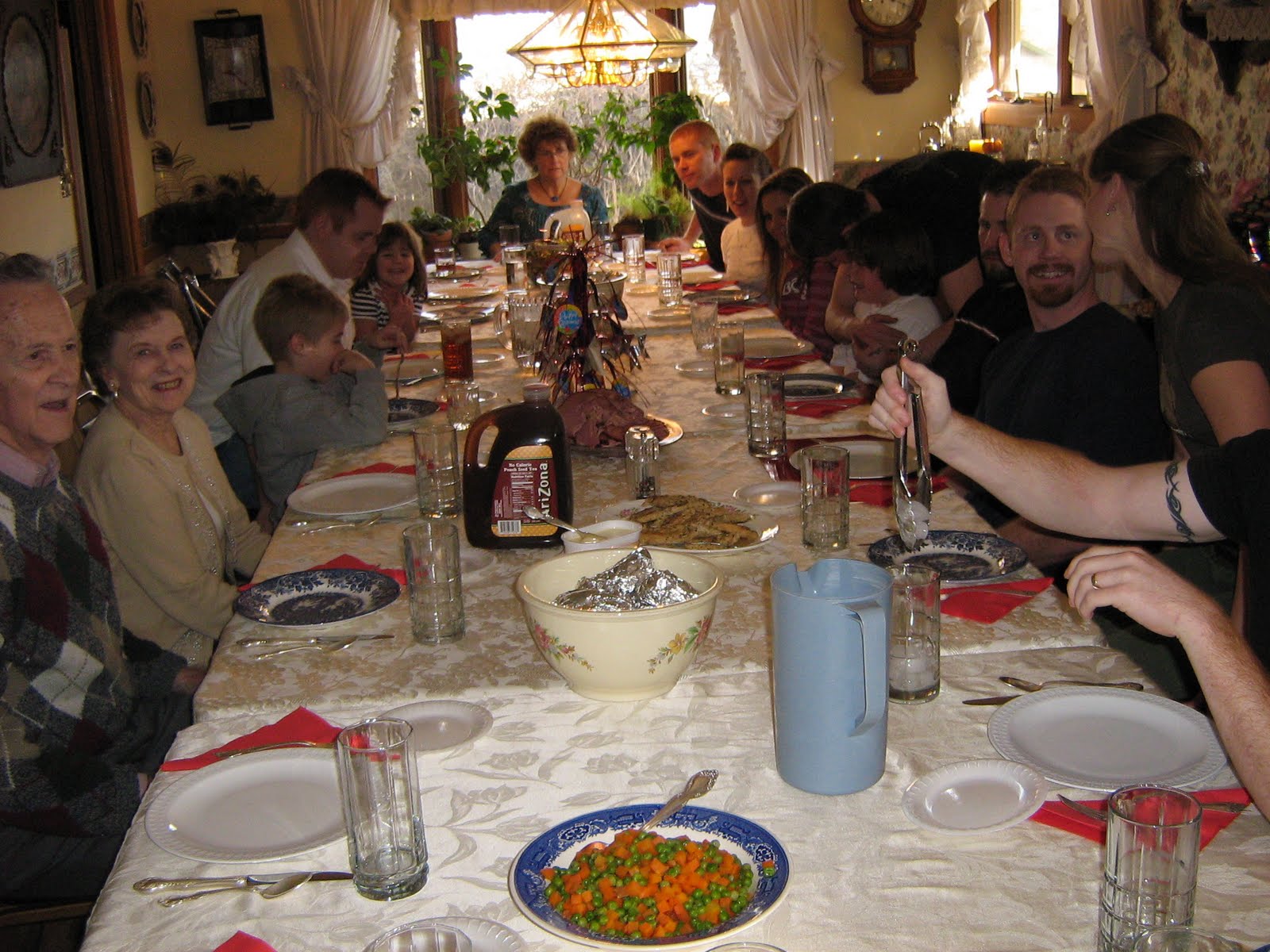
 The family holiday scene, left, represents a variety of cooperative and collaborative dynamics. Those dynamics contribute to make the event a success--or a disappointment. Some of the dynamics represented there are complex and demanding. Others are simple and comparatively "free"--all a person had to do was "show up."
In general relationships are about cooperation and collaboration. Of course cooperation and collaboration can happen at many levels. Cooperation on a championship football team, for example, requires a high degree of complex behavioral dedication to a collaborative effort. By comparison, your daily relationship to your neighbor, although you share some geographic proximity, may require little cooperative or collaborative energy at all.
In my book, Smarter Romance, I discuss the merits of people dating around some mutually agreed upon themes. I encourage dating partners to think of themselves as a team. SR helps couples explore the merits for dedicating themselves, from the very beginning of a dating relationship, to the idea of working together as teammates. Consequently, their initial shared goal is about getting to know each other just well enough to launch into a shared project. They do so with the understanding that they will learn a lot more about each other in the process of working together.
The "getting to know each other" process enlists teammates immediate and active dedication to accomplish something constructive--something they can have fun accomplishing as a team. I call these constructive events "projects," and they can be as simple as building and flying a kite, tag-reading through a book together, or planning a surprise birthday party for a mutual friend. On the other hand they might be comparatively more complex, like planning and then coordinating a big, fun happening for friends, volunteering together to help build a house through Habitat for Humanity, or orchestrating a cross-country trip.
So, the agenda for your first date is already set. It's specific and simple: Get initially acquainted by asking each other a lot of good questions! (Of course you can do this over coffee or dinner or...?) The idea at this point is to discuss the things you both like; discover what kinds of things you are each into? This initial effort shouldn't take more than an hour or two and the information will help you get a sense for the kinds of creative projects you might want to set-up and tackle together as a team. Perhaps you realize after even this first date, "Nope, I really don't want to spend any more time with this person." That's real; it's OK.If you decide on a second date together, your agenda is effectively set. You can meet to firm up what you want to do and how you want to do it together, or you can launch out into your first shared project. Your pooled efforts to accomplish something will quickly uncover a sense of purpose beyond the usual contemporary and predictable dating events with all their associated lulls, surprises, and confusion. "Themes" will quickly and spontaneously play out of what you choose to do together and they will help you identify a larger meaning and purpose for your developing relationship whether it proves to be long or comparatively short.SR is about character development through constructive dating relationships. Give it a try! You've got everything to gain. Learn more from previous postings, and by all means SIGN UP for the updates, then let me know what you are thinking...leave a comment.
So, until next time...have fun, be safe, and be smart!
Dick

 Posts
Posts


 My friends Nick and Jennifer gradually realized how the things they want from each other are different than each expected. But that was not obvious to them as they met and began their dating experiences. They thought they were "on the same relationship page" since they both reported how good being together made them feel. It wasn't until after they were both disappointed and hurt that they could acknowledge this discovery.